Das passiert im Workshop:

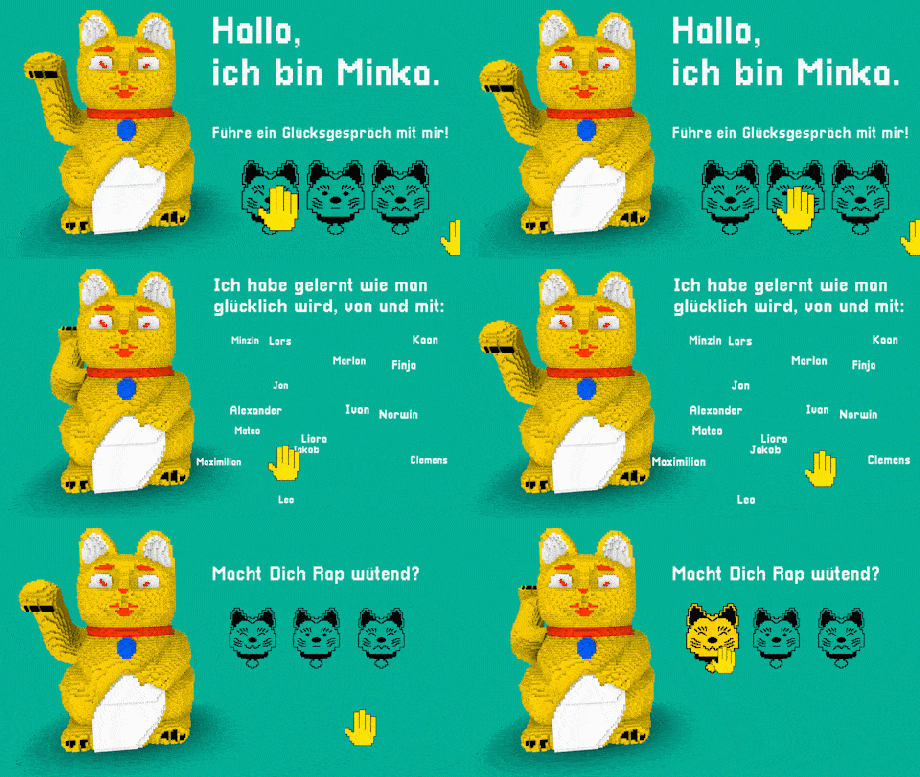
Gloria & Christopher bringen eine digitale Maneki-neko (Winkekatze) mit, die das Komplizierteste überhaupt von uns lernen wird: Glücklich sein! Wir erforschen in der Stadt was uns und andere glücklich macht, sammeln Daten und programmieren daraus unsere KI. Wenn wir Glück haben kommen wir dann ins Gespräch mit unserer KI übers glücklich sein.

Meld dich hier an!


Wann:

01. Oktober • 10-16 Uhr
02. Oktober • 10-16 Uhr
03. Oktober • 10-16 Uhr
04. Oktober • 10-15 Uhr + ab 18 Uhr Ausstellungseröffnung

Wo:

Künstlerhaus Mousonturm, Waldschmidtstraße 4, Frankfurt am Main

Wer kann mitmachen:

Menschen ab 12 Jahren. Wir freuen uns auch auf Teilnehmer*innen aller Gender und Hintergründe. Keine Vorkenntnisse notwendig!

Kosten:

Der Workshop ist dank unserer Förderer für dich kostenfrei! Für Mittagessen und Getränke wird auch gesorgt.


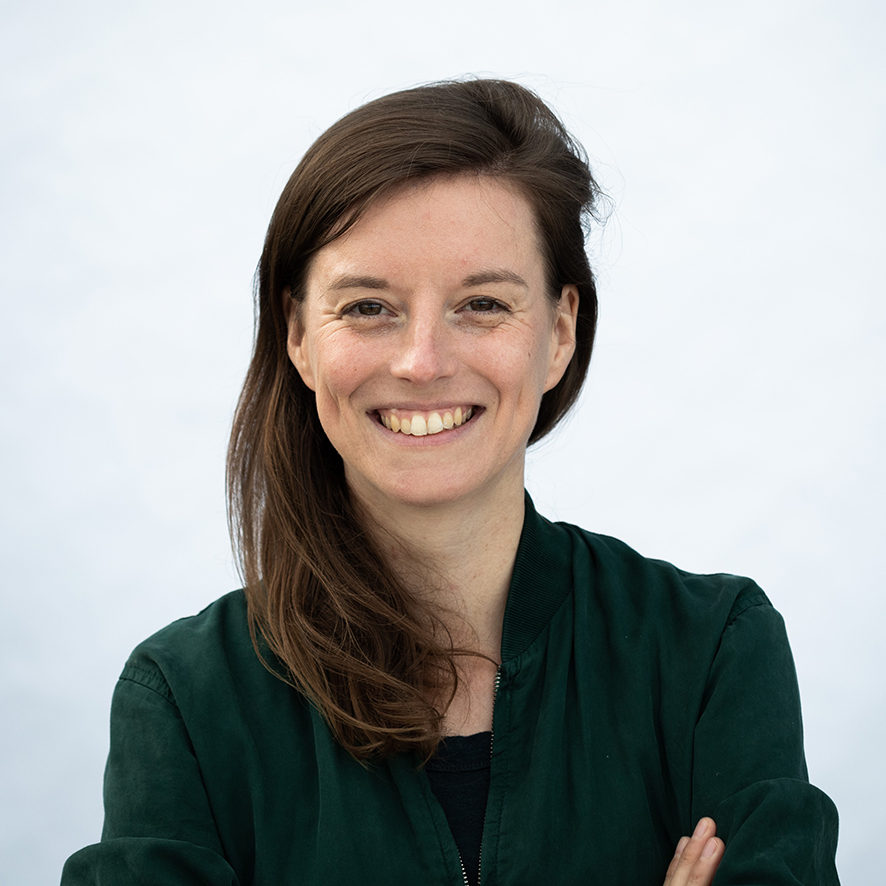
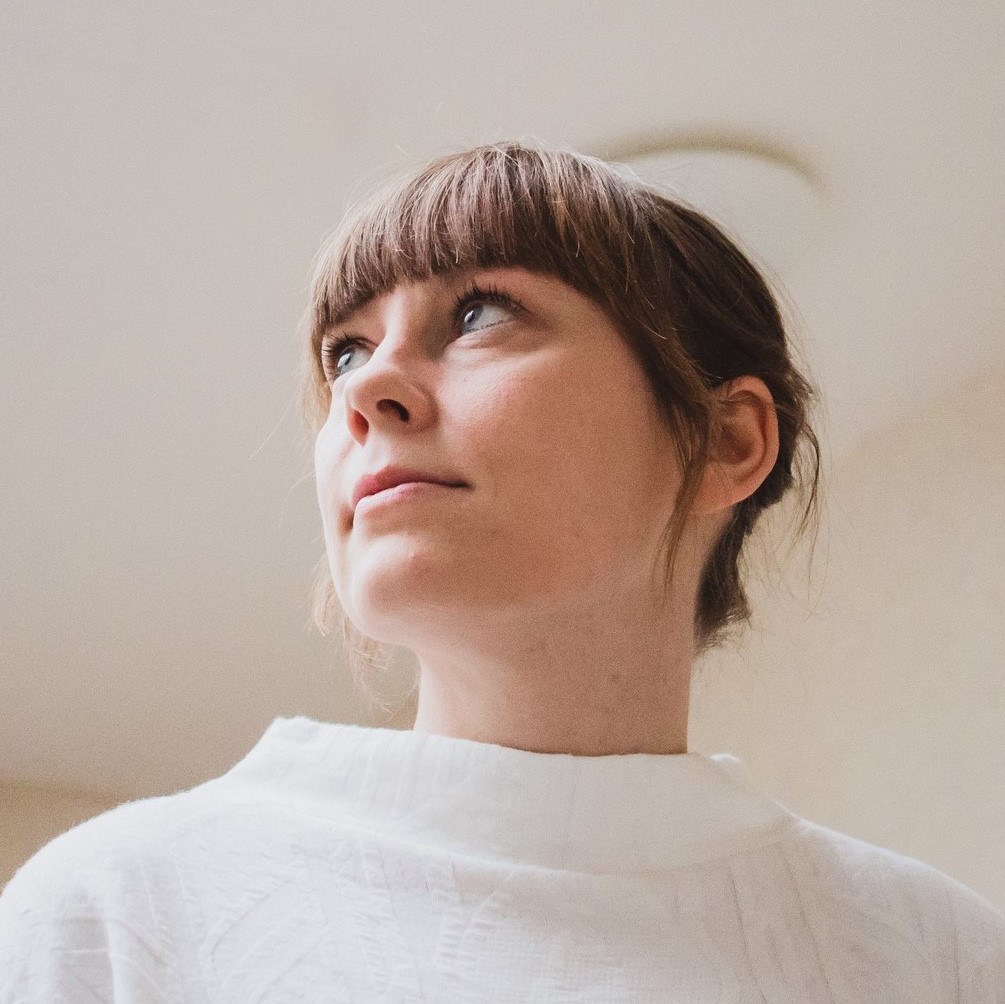
Deine Workshopleiter*innen:


Der Workshop ist Teil von:


Gefördert von:


Das passiert im Workshop:

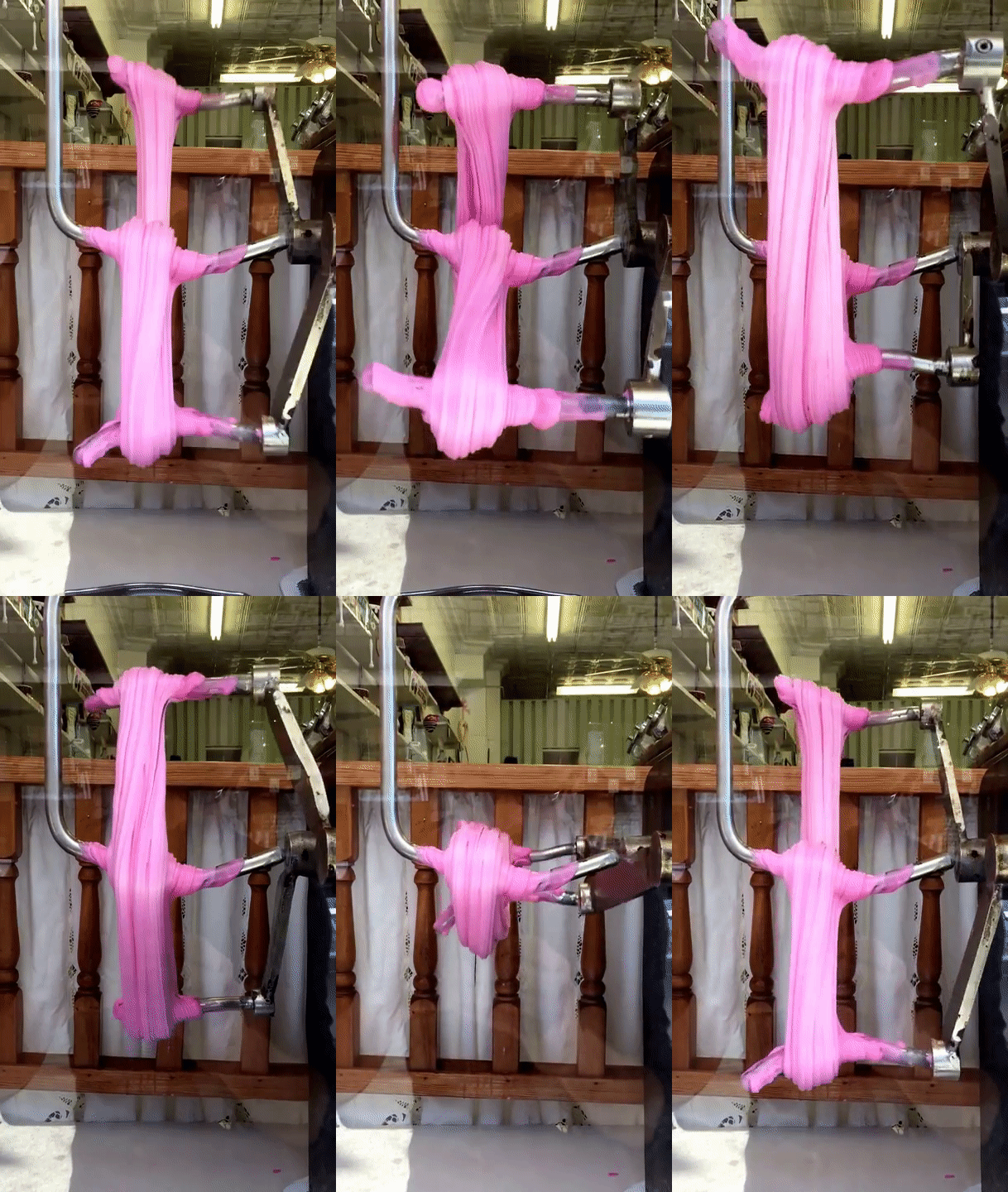
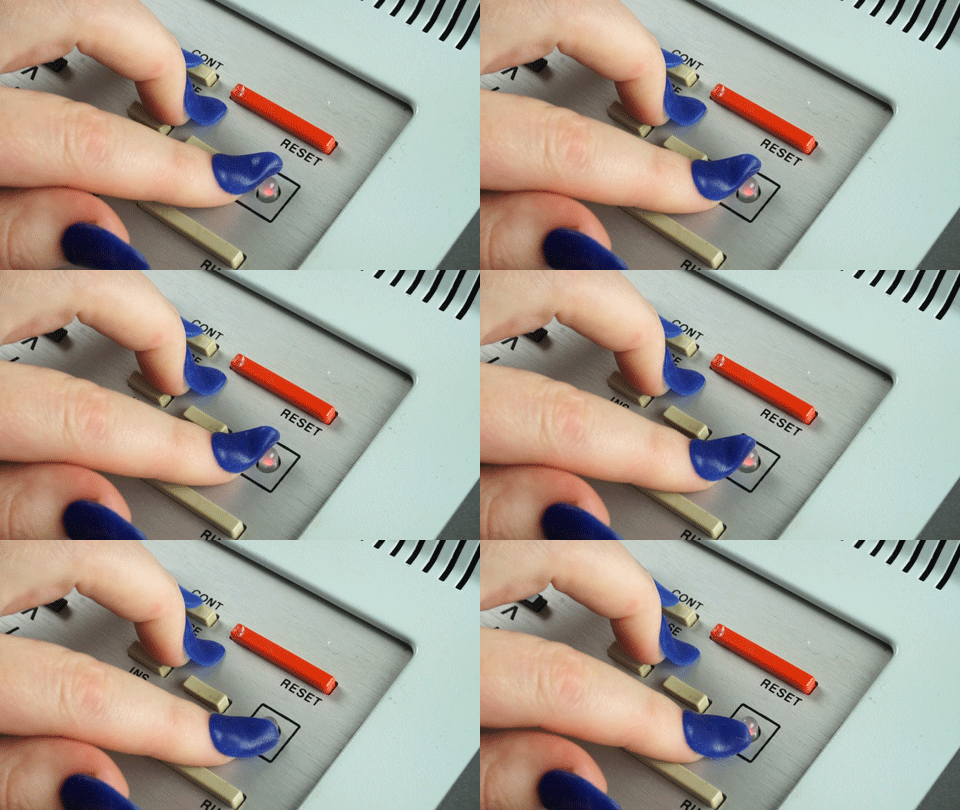
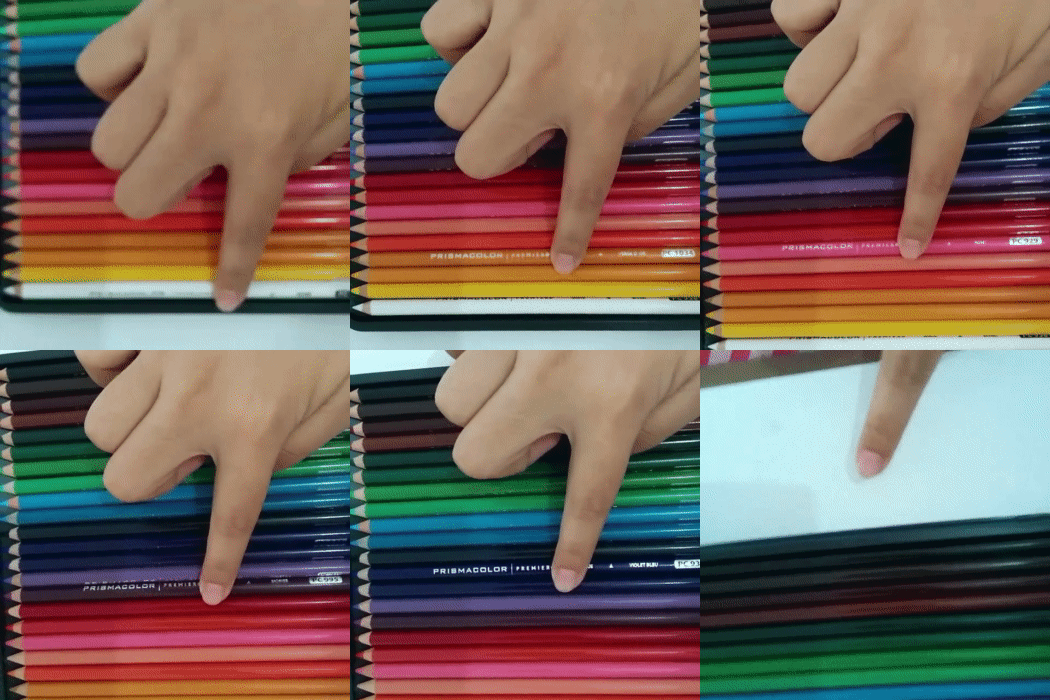
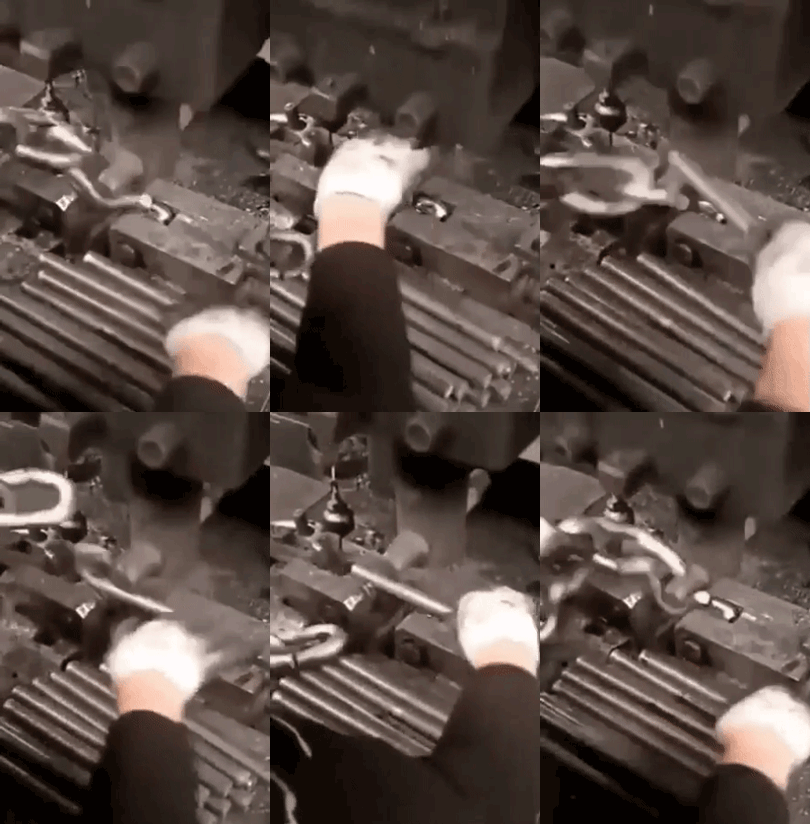
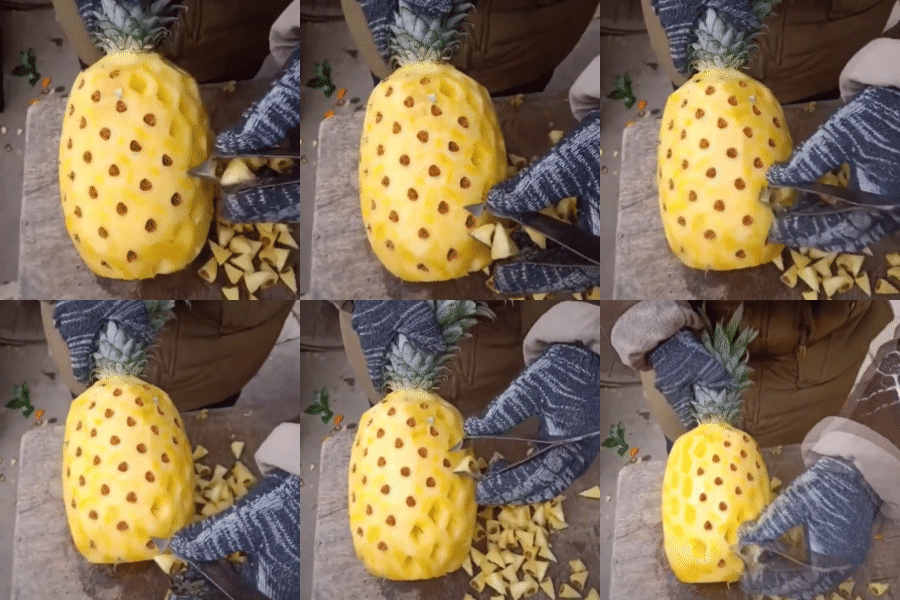
Im Workshop untersuchen wir dieses Netzphänomen und analysieren Videos, Gifs und Bilder: Ist das Fake? Kann man das nachmachen? Ist das ein nützlicher Skill? Und wieso fühlt sich das Zuschauen so gut an? Im nächsten Schritt produzieren wir unseren eigenen Hirn-streichelnden Video-Content und füttern die Welt mit unseren Lifehacks.

Meld dich hier an!


Wann:

01. Oktober • 10-16 Uhr
02. Oktober • 10-16 Uhr
03. Oktober • 10-16 Uhr
04. Oktober • 10-15 Uhr + ab 18 Uhr Ausstellungseröffnung

Wo:

Künstlerhaus Mousonturm, Waldschmidtstraße 4, Frankfurt am Main

Wer kann mitmachen:

Menschen ab 12 Jahren. Wir freuen uns auch auf Teilnehmer*innen aller Gender und Hintergründe. Keine Vorkenntnisse notwendig!

Kosten:

Der Workshop ist dank unserer Förderer für dich kostenfrei! Für Mittagessen und Getränke wird auch gesorgt.


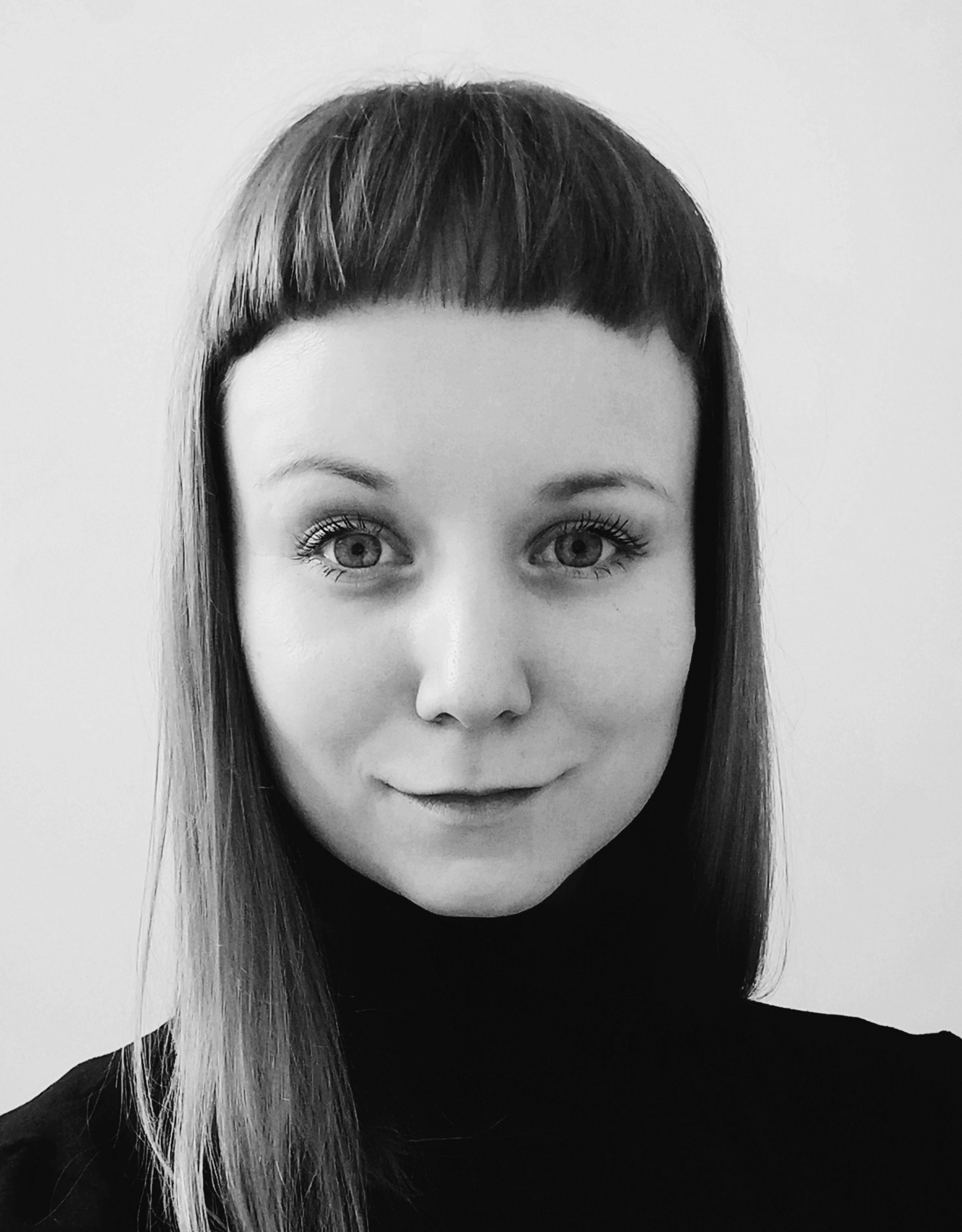
Deine Workshopleiterin:


Der Workshop ist Teil von:


Gefördert von:


The program was funded by


Hope Lab and Digital Debate Lab programs were funded by


The Team behind…

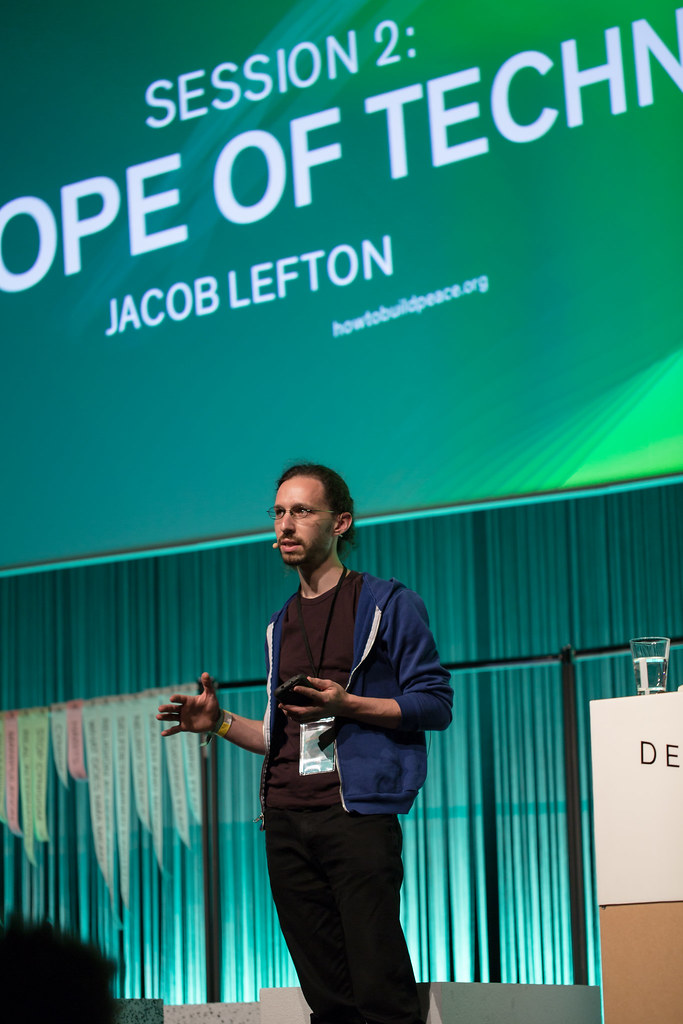
PEACETECH: Challenges in Technologies for Peace – Jacob Lefton

After a brief intro and overview of Build Up, including defining the work we do in peacebuilding: technology integration, strategic communications, participatory research, and community arts, and the Build Peace Conference and Fellows program.

Jacob will give an introduction to some of the things we take into account when designing a peacebuilding process, and why we do these things, based on what we’ve learned about how to effectively use technology in peacebuilding. Specifically, we ask questions about participation and social access, the political space, the appropriateness and accessibility of technology and process, and the ethics — both in terms of the mechanics of the peacebuilding intervention and the specific issues of technology. Finally, some aspects of peacebuilding are hyper-contextual. We have to be flexible in our testing and piloting process, because what we know to be true in one context may be quite different in another.


THE PROMISE OF LOW TECHNOLOGY – Kris de Decker

People in Western societies have lost their faith in God, but now “believe” in technological progress. In the context of sustainability, new technology offers the hope that we can maintain an energy-intensive lifestyle without destroying the natural environment that we depend on.

In this talk, I will show that there’s no need for new technology when it comes to designing a sustainable society. For every high-tech “solution”, there’s a “no tech” or “low-tech” alternative that’s more sustainable, much cheaper, and quickly deployable, not only in rich countries but all over the world. Changing our ways of living does not mean that we have to go back to the middle ages and give up all modern comforts. A downsized, sustainable industrial civilisation is very well possible, and much more fun, too.


 END OF THE MEGAMACHINE – Fabian Scheidler

What is called „technological progress“ is often presented as a quasi-natural process without any alternatives. However, all technologies are shaped by economic, political, military and ideological power structures. Within the framework of the capitalist “Megamachine” technological development is designed to serve the endless accumulation of capital and a Matrix of delusion. By turning citizens into self-surveilling consumer-infants, large parts of the population are distracted from the most urgent issues of our times, namely the looming ecological collapse, nuclear war and radical social injustice.

DESINGING HOPE in this context means to break the chains of enslavement and delusion and to ask: which type of economic and political  structures and which type of technology do we need to create a just, free and truly sustainable society?


And lectures by and panels with Maria Yablonina, Michael Hirdes and Benedikt Groß – plus Performance by Gaybor O’Flynn

Speakers

Constructive Journalism – Maren Urner

While everybody is talking about fact-checking to fight fake news and misinformation, one important ingredient is usually ignored: our brain.


The Language of Power – Elisabeth Wegner

Elisabeth Wegner will talk about a pattern language which creates hope by analyzing the rhetoric of political powers. While populist forces around the globe are putting a rhetoric of pseudo-hope to use in order to get elected, Elisabeth Wegner will analyze how they do it. She will show the effects they employ and how their »talking points« may be countered and debunked. Together we will have a look at a metaethical theory for constructing efficient public speech.

Looking at current examples we will see how both politicians and non-politicians can utilize professional talking points to make an impression of kindness, wisdom and – if it is advantageous – to evoke a feeling of hope in potential voters or customers.

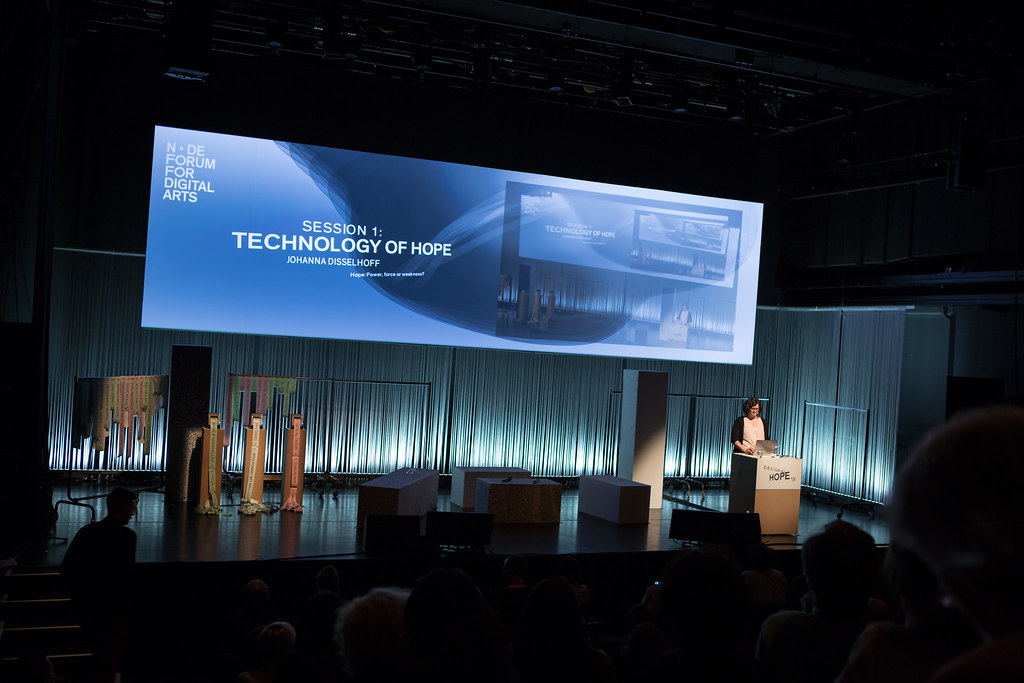
HOPE: Power? Force? Or Weakness? – Johanna Disselhoff

A psychological view of the healing and destructive aspects of hope.

Hope can empower us and lead our behaviour. Driven by hope we can visualise our future, can combine our energy and use our ressources. But what happens, when we loose hope? Is hope related to mental illnesses and burnout? Can we trust our hopeful thoughts? And can we use hope as a guidance for our life? This talk will discuss different aspects of and practical experience with hope and (hopefully) deliver some ideas, how to use hope as a ressource for your own life.

Speakers

The vvvv mega show in video:


0:09:30 Intro
0:12:15 Welcome
0:16:02 Kyle McLean (everyoneishappy) / 2PAC
0:22:32 Chris Engler (u7angel) – Automata UI
0:29:03 Interlude Store
0:30:44 Eno Henze (eno) – NSYNK contributions
0:36:39 Filip Visnjic – FRAMED*
0:45:14 David Mórász (microdee) – FBX4V
0:52:02 Golden Quad
0:54:02 Marko Ritter (velcrome), Robert Willner (tmp) – DX11.Particles
1:01:22 Marta Soto (otosatram) – Optical Flow
1:08:21 Katia von Roth http://hopelab.de

BREAK

1:50:49 Golden Quad
1:55:43 Eno (again)
1:58:19 Ryan Jones (polyrhythm) – Physical Raytracer
2:02:45 Martin Retschitzegger – M-BOX
2:08:50 Lev Panov (lev) – HAP Video Player
2:16:48 Dominik Koller (dominikKoller) – vvvv Academy
2:25:44 Sebastian Gregor (gregsn) – VL Project Workshop
2:34:14 Anton Mezhiborskiy (untone) – Editing Framework (VL)
2:43:14 Sebastian Huber (sebl) – ZUSE (VL)
2:54:05 Tebjan Halm (tonfilm) – CraftLie (VL)
3:04:37 Aristides Garcia (lasal) – Algorithmic Modelling Library (VL)
3:15:01 Elias Holzer (elias) – Importing Nodes (VL)
3:23:34 What you wished and got
3:28:36 What you didn’t wish and still got
3:33:02 What you wished but didn’t get (from us)
3:38:12 Jeanne Vogt, Johanna Wallenborn

Credits
VIDEO & PROJECTION: satis & fy (Markus Berger, Mark Schütz)
TECHNICAL DIRECTOR: Christian Hergarten
VIDEO SWITCHING & SCREEN DESIGN: David Brüll / NSYNK Gesellschaft für Kunst und Technik (Alexander Henker, Dennis Boleslawski)
STREAMING BY: Daniel Huber

wanna more of keynode? –
keynode15 part 1: https://vimeo.com/129211880 –
keynode15 part 2: https://vimeo.com/129085756 –
keynode08: https://vimeo.com/63157880


By Theresa Behling, Yannick Geske, Benny Hauser, Paulina Kind, Dagmar Kestner, Miriam Walther Kohn, Christopher Kriese, Maja Leo, Fabian Ristau, Nele Solf, Lisa Schröter, Michel Weber, Tali Furrer, Patrizia Fedier and many other utopists.

In co-production with Gessnerallee Zürich, Shedhalle Zürich, Produktionsplattform TECHNE/Theater Rampe and Künstlerhaus Stuttgart.

Supported by Stadt Zürich Kultur, Kanton Zürich Fachstelle Kultur, Pro Helvetia, Ernst Göhner Stiftung.

https://zurueckindiezukunft.org/


Artists

Workshop Capture Part 1 & 2


complete video capture of the workshop:


Herbert W. Franke (Born May 14, 1927 in Vienna) is a pioneer of early computer graphics and digital Arts and one of the most important science fiction authors in the German language. He is also active in the fields of future research, speleology. He is co-founder of the Ars Alectronica in Linz, Austria.
http://biologie.uni-muenchen.de/~franke/

Artists


Was passiert in der Digital-AG?

In der AG geht es vor allem darum Spaß zu haben, gemeinsam Neues auszuprobieren, zu entdecken und zu diskutieren. In entspannter Atmosphäre kannst du dich mit anderen Jugendlichen ab 12 Jahren zu gesellschaftlichen und technischen Themen (z. B. Stadt der Zukunft, Identität und soziales Miteinander) austauschen, interessante Menschen für Vorträge einladen, dich mit Technik beschäftigen, 3D-Drucken, in Magazinen stöbern, digitale Spiele entwickeln und vieles mehr!

Als Digital-AGent*in kannst du deine eigenen Ideen und Projekte umsetzen. Deiner Kreativität sind keine Grenzen gesetzt! Du hast noch keine Idee? Komm trotzdem vorbei und lass dich inspirieren!


Was passiert beim ersten Treffen?

Wir starten am 12. Januar mit dem Workshop “Data Dancing”: Entwirf deine eigene App, die dich mit deinen Freunden vernetzt!

Wie viele Informationen möchtest du freigeben, um die Daten deiner Freunde zu sehen? Was wünschst du dir von einem digitalen Treffpunkt und kann dieser problemlos von allen genutzt werden? In diesem Workshop lernst du, wie man mit Papier, Stiften und Tablets interaktive Prototypen erstellt und welche Rolle Anonymität und Überwachung dabei spielen.


Was passiert beim zweiten Treffen?

Worauf werdet ihr im Internet aufmerksam? Was teilt ihr? Was nervt euch richtig? Nach einer kurzen Auseinandersetzung zu beliebten Influencern lasst ihr im InstAR.lab Workshop mit Augmented Reality eure Wünsche real werden. Wie wäre es mit einem Skate-Park am Marktplatz, Bäume an der trostlosen Straße, ein Pool in der Schule oder einem Garten auf dem Dach? In Gruppen sollen die Ideen anschließend in Szene gesetzt und mit Hilfe allerlei verrückter Möglichkeiten Instagrams vermarktet werden.

Gemeinsam analysieren, liken und diskutieren wir am Ende die entstandenen Posts. Was geht am ehesten viral und warum? Wie wird potentiell beeinflusst und wo liegt die Verantwortung? Treffpunkt: 09.02.19 um 14 Uhr!


Wie kannst du teilnehmen?

Das Angebot ist natürlich kostenfrei und offen für alle! Du brauchst keine Vorkenntnisse – Neugier und Spaß am Ausprobieren reichen. Komm’ einfach vorbei und lass’ dir alle Fragen vor Ort beantworten.

Fragen und Antworten per Mail an lebenundlernen@mspt.de
oder Telefon: +49 (0) 69 60 60 – 321
Und wieso überhaupt?

In Frankfurt leben viele kreative junge Technik-Begeisterte. Für diese wollen wir immer wieder neue Formate entwickeln. Dafür arbeiten wir im Netzwerk mit dem Jugendbildungswerk / Jugend- und Sozialamt, Jugend hackt und den Demokratielaboren sowie Institutionen wie dem Museum für Kommunikation Frankfurt oder dem Jungen Museum Frankfurt.

Nach zwei erfolgreichen Festival-Editionen von Digitale Welten und Jugend hackt FFM entsteht in Frankfurt mit der Digital-AG, veranstaltet vom Museum für Kommunikation in Frankfurt am Main, ein Angebot, das darauf abzielt regelmäßig stattzufinden. Die AG soll ein Ort sein, der Raum für alle bietet, die Feuer gefangen haben und nicht ein Jahr warten wollen bis das nächste Jugend hackt Event in Frankfurt oder das Digitale Welten Festival stattfindet.

Falls die Digital-AGs gut besucht werden, ist das Ziel, dieses Angebot jeden Monat zu machen.
 

Partner


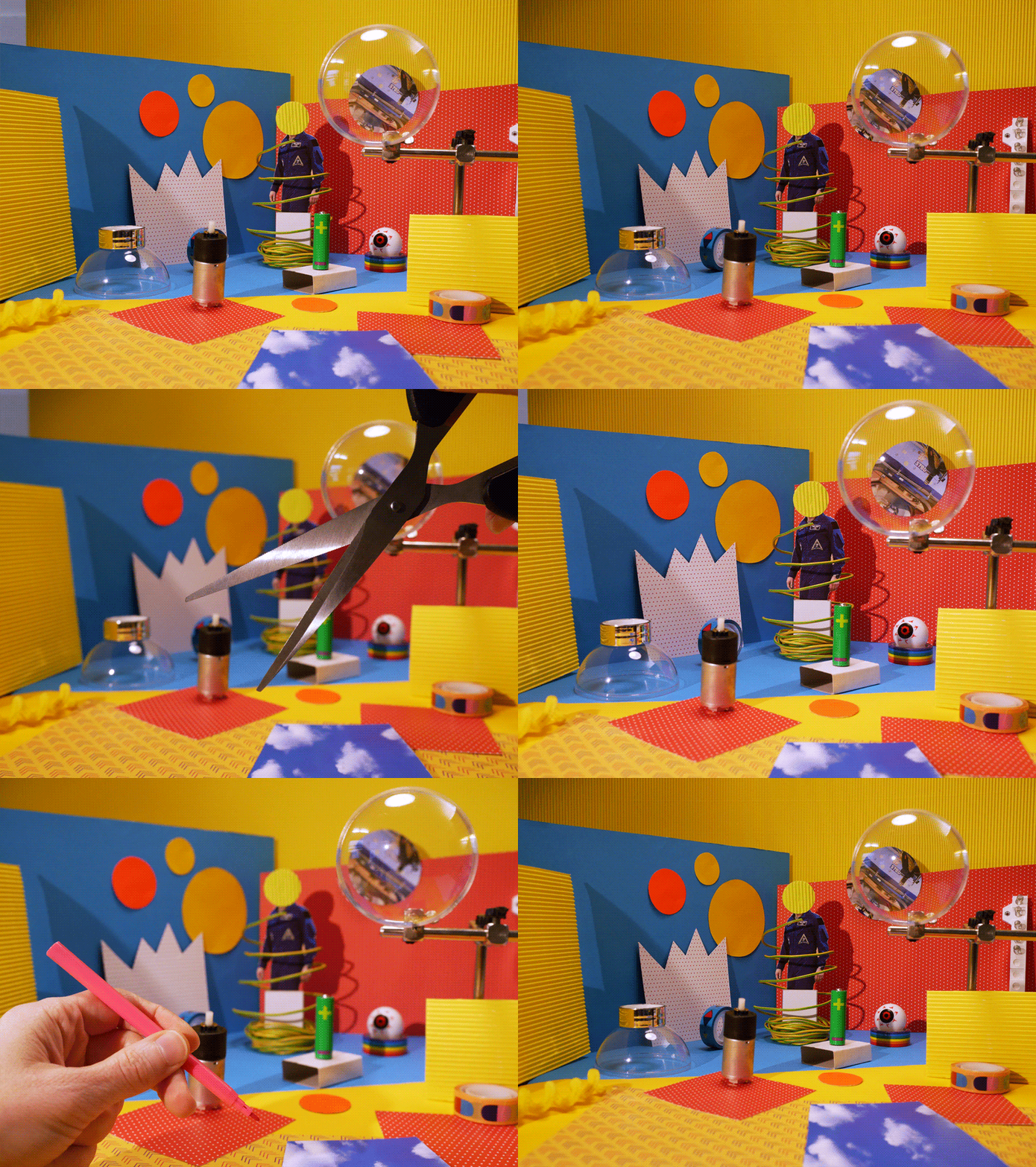
Welche Wünsche habt ihr für die analog-digitale Welt? Sollte Youtubing ein Schulfach sein? Oder brauchen wir andere Maßnahmen, um Umwelt- oder Menschenrechtsfragen anzugehen, damit sich wirklich etwas ändert? Gemeinsam bauen wir ZukunftsDIYramen – Diaramen der Zukunft – aus LED-Lichtern, Motoren und wir entwickeln Soundtracks unserer Messages an die Welt! Wir basteln mit Elektronik und Technik rund um Roboter, analog-digitale Maschinen und Code.

Zur Anmeldung


Workshopleiter*innen: Kati Hyyppä & Niklas Roy

WANN:

10.-11. November 2018, je 11-16 Uhr

WO:

Musem für Kommunikation Frankfurt, Frankfurt am Main

Wer kann mitmachen:

Alle von 12 – 18 Jahren. Wir freuen uns auf Teilnehmer*innen aller Gender und Hintergründe. Keine Vorkenntnisse notwendig!
Mitbringen:

Ihr müsst gar nichts mitbringen außer euch selbst, 10 € Teilnahmegebühr (inkl. Getränke und Obst) und ein Mittagessen. – evtl. eure Lieblingsmaterialien.


Der Workshop ist Teil von:


Workshopleiter*innen:


Wie wäre es z. B. mit einem Bananenklavier, einer Computertastatur aus Knete oder einem Spiel, das von zwei Menschen via High 5 gesteuert werden kann? Dabei entscheidet ihr selbst, welche Geschichten ihr mit euren selbst entwickelten Games erzählt und wer darin mitspielt.

Wer steckt dahinter?

Die Initiative Creative Gaming e.V. veranstaltet seit 2007 Fortbildungen, Workshops, Vorträge, Schulprojekte und das jährliche, PLAY – Creative Gaming Festival, auf dem die medienpädagogischen und künstlerischen Aspekte des kreativen Einsatzes von Computerspielen aufgezeigt werden.

Die Initiative fördert einen alternativen und künstlerischen Umgang mit Computerspielen und eröffnet Schülerinnen und Schülern, Eltern und Lehrkräften damit konkrete Handlungsmöglichkeiten zu einer schöpferischen und auch kritischen Auseinandersetzung mit dem Medium. Zugleich bieten die Veranstaltungen der Initiative spannende Einblicke in die Berufswelt der Gamesbranche.

Zur Anmeldung


Workshopleiter: Andreas Hedrich & Thilo Lübker

WANN:

10.-11. November 2018, je 11-16 Uhr

WO:

Junges Museum Frankfurt, Frankfurt am Main

Wer kann mitmachen:

Alle von 12 – 18 Jahren. Wir freuen uns auf Teilnehmer*innen aller Gender und Hintergründe. Keine Vorkenntnisse notwendig!

Mitbringen:

Hardware: Computer, Maus und Ladekabel. Wenn du keinen Laptop hast, dann sag uns bescheid und wir leihen dir gerne einen!
Software: TBD
10 € Teilnahmegebühr (inkl. Getränke und Obst). Bitte bring dir ein Mittagessen mit.


Der Workshop ist Teil von:


Workshopleiter:


Wenn wir von “interaktiv” reden, meinen wir, dass ein Computer auf das, was du tust, reagiert. Das geht ganz einfach per Mausklick oder Tastatur, aber auch mit Sensoren wie der Kinect-Kamera.
Mit dieser Technik kannst du zum Beispiel deine Hände als Pinsel auf einer Leinwand verwenden oder lass dein digitales Spiegelbild auf Töne reagieren lassen. Oder du kannst eine Installation bauen, in der du mit Freund*innen vor der Kinect-Kamera geometrische Formen bildest oder herabfallenden Blöcken ausweichen musst.

Wir lassen uns von tollen Kunstwerken inspirieren und fragen uns dann, wie das eigentlich gemacht wird. Wir schauen uns den “Code” dahinter an und lernen Schritt für Schritt so eine Installation selbst zu entwickeln.

Zur Anmeldung


Workshopleiterin: Rosi Grillmair

WANN:

10.-11. November 2018, je 11-16 Uhr

WO:

Agenturbüro MESO Digital Interiors Frankfurt, Gutleutstraße 96 Frankfurt am Main

Wer kann mitmachen:

Alle von 12 – 18 Jahren. Wir freuen uns auch auf Teilnehmer*innen aller Gender und Hintergründe. Keine Vorkenntnisse notwendig!

Mitbringen:

Hardware: Laptop mit Webcam, Maus, Internetanschluss und Ladekabel. Wenn du keinen Laptop hast, dann sag uns bescheid und wir leihen dir einen!
Software: Wir arbeiten mit Processing, einem Open Source Programm das du hier gratis runterladen kannst: https://processing.org/download/ Wenn du Hilfe beim Installalieren brauchst, machen wir das zusammen beim Workshop!
10 € Teilnahmegebühr (inkl. Getränke und Obst). Bitte bring dir ein Mittagessen mit.


Der Workshop ist Teil von:


Workshopleiterin:


Portfolio


Hope Pavilion

The hope lab hub for problem solving is also home to a number of innovative product solutions to common festival problems. The pavilion features a built in hotel room for weary travelers and opportunistic lovers, an “un-workshop” space for irregular workshops that break the mould, a merch shop that re-energizes past festival waste and a revolutionary information desk that measures and nurtures the hopefulness of festival attendees – oh and you can pick up your festival pass here too.

NODEsurfing

NODEsurfing aims to connect artists from all over the world with the local community to provide housing for those traveling from far. It offers the opportunity for a lively exchange with the creative minds gathering at NODE17.


Hope beacon

Not certain if you or others are actually hopeful? The Hope Beacon is a wearable device that measures the hopefulness of NODE attendees. Upon detecting significant hope, the Hope Beacon flashes to alert you and others nearby, so they can engage with you and share in your hopefulness. By simply reflecting your hope to others the Hope Beacon propagates hopefulness and hopeful dialogue throughout the festival.

Unworkshops

Most festivals are run from the top down. There’s little room for community exchange outside the official schedule. Unworkshops are inspired by the now popular unconference, where the community self organizes to share knowledge and expertise. Any participant at NODE17 is invited to contribute spontaneous and/ or prepared workshops, talks and discussions during the festival. hope lab will provide a big space with a beautiful screen, great sound and a system for you to openly schedule and share your Unworkshops across the festival.


NOPE beach

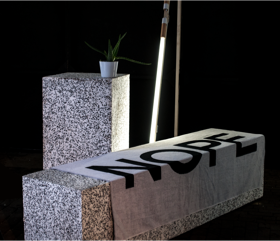
Not sure about this hope thing? Feeling overwhelmed? Tired? The NOPE beach is a place for everyone else. Hope can be exhausting. Relax, grab a NOPE towel from the hope pavilion merch shop and re-charge your batteries at NOPE beach.

HOPE kit

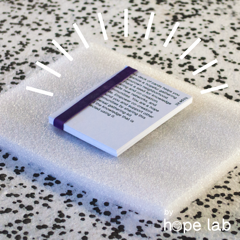
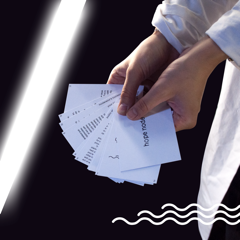
What if you too could start something as hopeful as NODE festival in your own neighborhood? The HOPE kit is a deck of cards and an easy step by step process that helps you create your own NODE wherever you are. Self organization, collaboration and knowledge sharing are the seeds of hope. Help spread hope far and wide, a hopeful future starts with you.


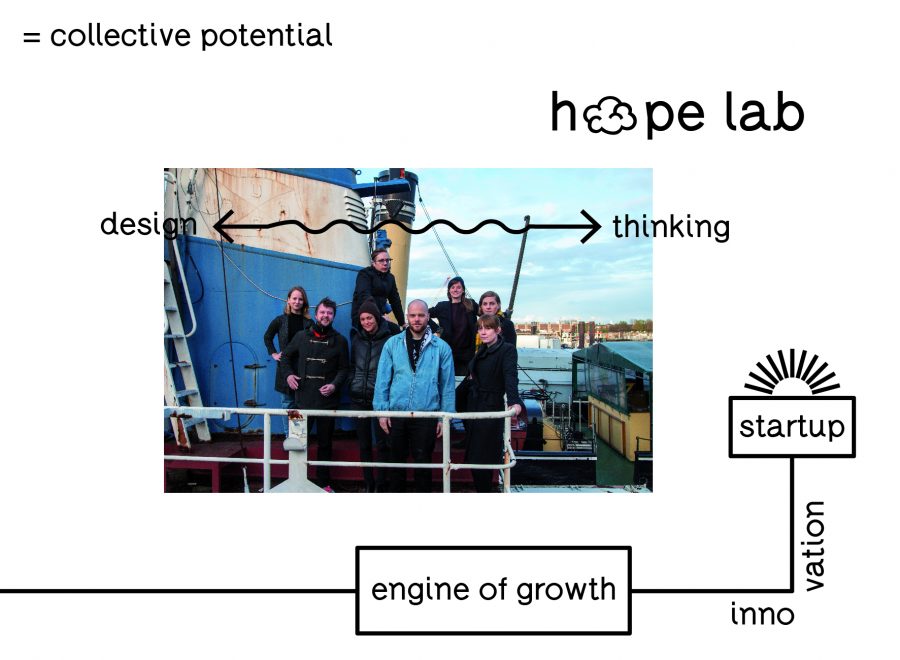
The HOPE lab is part of a two-folded project investigating new means and media for social exchange, dialog and critical debate. For further information see our journal post on this! The whole research process was made possible thanks to the support by experimente#digital by Aventis Foundation.


About the Artists


NODE team responsible for this project:


Jeanne Charlotte Vogt

Artistic Director, Board, Managing Director

Curator, Dramaturg

jeannevogt.de

Alexandra Waligorski

Curator, Team Digitale Welten

Arthistorian, Curator, Developer, Researcher

Doreen Keck

Speaker Management

Artist, Project Manager

Welcome to Shiraz

An Introduction by Artist Mohsen Zare


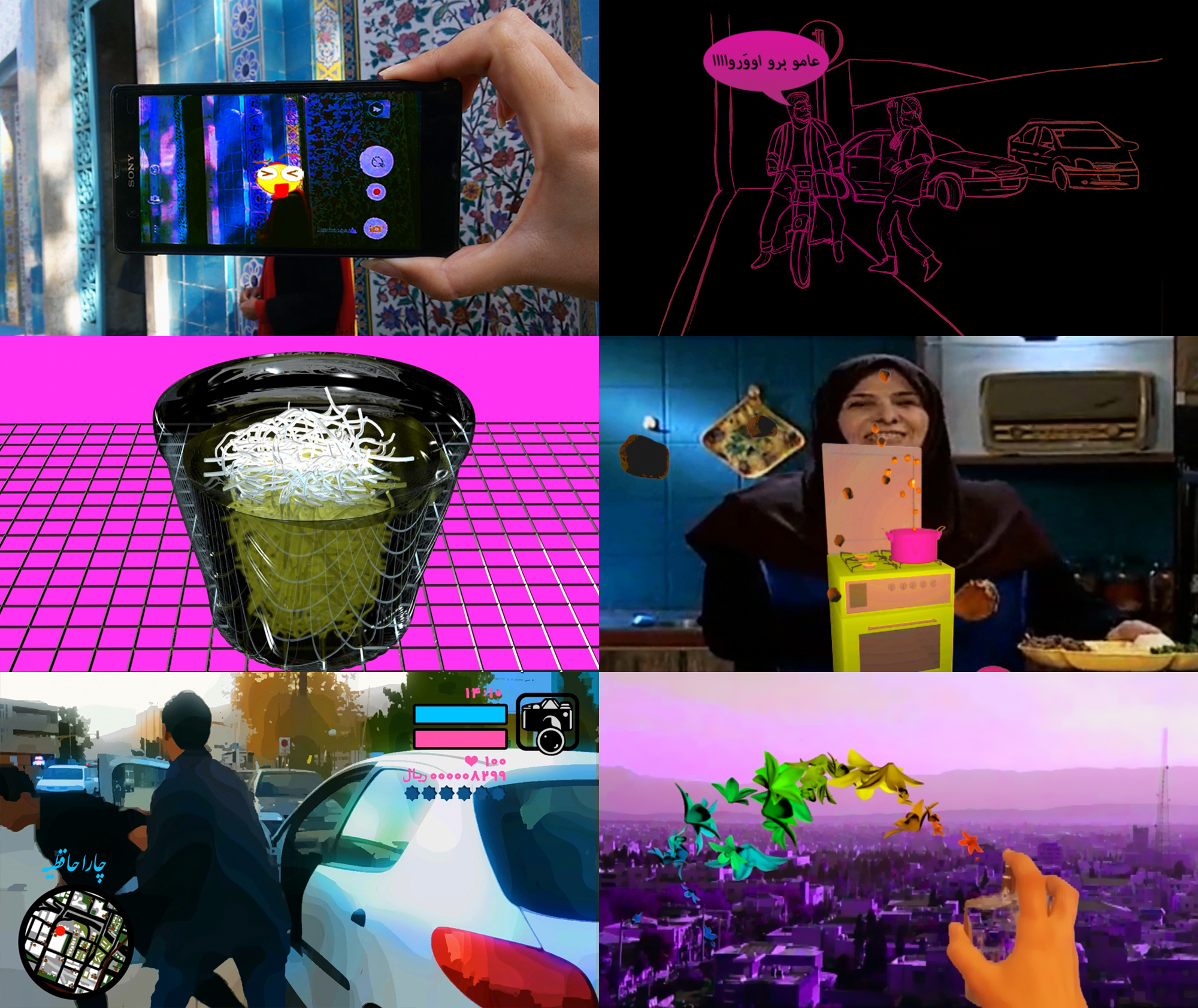
Shiraz, the town I grew up in, has been a wondrous place from times long bygone; full of gardens and bazaars and mystifying nights. A town of serene, fragrant springs, living here through the passage of days and seasons, your mind takes flight and frisks through the myriad of scents and scenes. There’s always enough reason to “catch” a color, or morph into a motif. Shiraz, has always mothered art and nurtured artists. No wonder she was chosen to host, from 1967 till 1977, the Shiraz-Persepolis Festival of Arts. The first, and still – even by contemporary standards – the most grandiose of such events in the Middle East. Despite going on for only 11 editions, its lingering effects could still be traced in today’s Iranian art scene. After the 1979 Islamic revolution though, it all changed. For everyone – Artists included. In a place as culturally rich as this, artistic talents naturally blossom en masse, but wither dry into their demise.


Few blossoms will grow into saplings, and fewer still will raise to be trees. There’s a constant contrast between the intense yearning for art making, and the lack of teachers, resources and drive. Every day, a few more enthusiasts will leave the scene, not being able to make ends meet through art. Shiraz’s art scene, or whatever’s left of it, is built on the backs of those who persevered in keeping it alive generation after generation. The fruit of the labors of Herculean men and women throughout history.
There are names in this town’s history which give shapes to notions like “artist”, and there are still a few who’re willing to live by that mantra, however harsh and unkind the circumstances. In talking about contemporary Shirazi art scene, the direct effect of the independent endeavors and endurance of a determined few is non-negligible. The curators of this show are the youngest amongst them.


Participating Artists


Zahra Abbasi
Marziye Alihoseini
Nahal Arian
Aghileh Ataei
Mozhdeh Azimi
Mohammad Bambayero
Maryam Dehbozorgi
Maryam Dian
Ali Forootan
Marziye Ghadimi
Mona Hadaegh
Mohamad Amin Haghpanah
Hanif Haghtalab
Ali Honarvar
Mahshid Mahbobifar
Parastoo Mohamadipour
Roya Mohseni

Haniye Mokarizadeh
Maryam Nargesi
Milad Noorani
Maryam Nowrozi
Soroosh Mohamadi Poyan
Elham Rajabi
Sedighe Saberi
Paria Shabani
Sara Shahosseini
Arefeh Shokraneh
Hasti Shokrzadeh
Sahar Taheri
Hojjat Vafayee
Mehrbod Farsi Zadeh
Mohsen Zare
Masoud Zare


Dar Al Hokoomeh

Through The Eyes of Curator Myriam Vanneschi


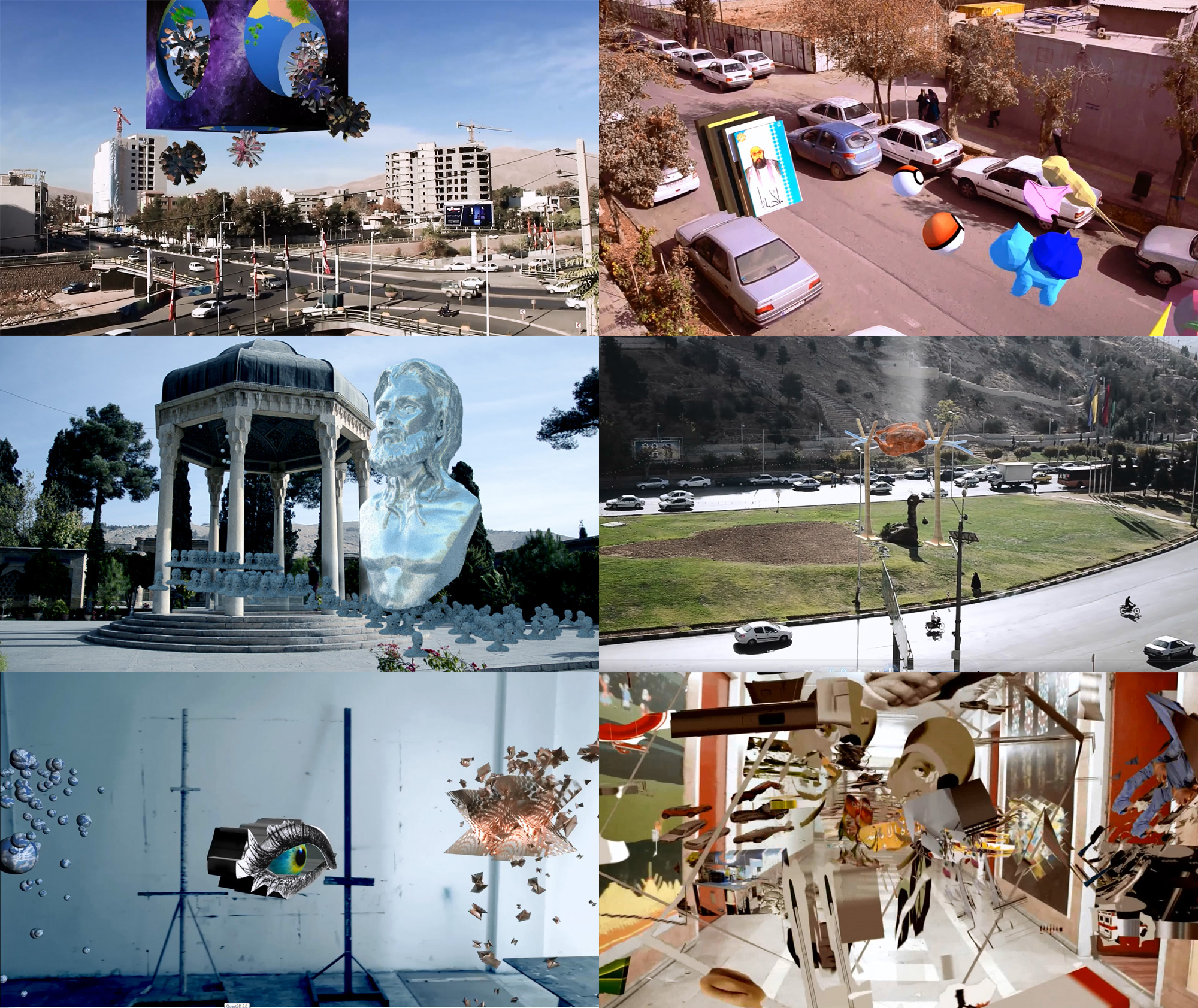
Mohsen Hazrati and Milad Forouzandeh founded Dar-al-Hokoomeh, a New Media art project in Shiraz, Iran, a year after graduating from Shiraz Art Institute with the vision of creating a space for emerging artistic practices.
Dar-al-Hokoomeh has hosted exhibitions, screenings, talks, lectures and workshops and has from its inception been at the forefront of the intersection of culture, art and technology within Iran and on an international level. Dar-al-Hokoomeh produces New Media events that are a chronological step in continuing an Iranian tradition of exploring media ranging from film to video and sound art. Not only through the exploration of the possibilities of New Media itself but also through combining this with an underlying depth, richness and humorous wit that is uniquely Shirazi. While outward looking and working on an international level, Dar-al-Hokoomeh is still firmly grounded in Shiraz, Iran and is inspired by the city’s rich history in the fields of literature and art.

With the DAH project, Mohsen and Milad have managed to create a thriving and vibrant New Media art scene in Shiraz that is able to compete with Tehran and other centers of New Media around the world.
Dar-al-Hokoomeh has invited curators and artists and have hosted a number of events relating to technology but simultaneously asks visitors online and IRL questions about art, identity and (geo)politics in a serious yet playful manner.

Recently they have investigated the very nature of New Media with BitRates in 2014, curated by Morehshin Allahyari and Mani Nilchiani with a segment called GifBites curated by Daniel Rourke and in 2015 I myself co-curated with Morehshin Allahyari a project titled AP<P>ART where we investigated the use of apps in art making and how more or less limited access informs a regional practice and aesthetic. After four years of non-profit activities, through their merits and achievements, DAH Project managed to attract an exclusive sponsor, in the form of the Folder Foundation.

About Folder Foundation


Folder Foundation was established in 2017 by Ali Khadivar, an art investor and entrepreneur. It is an art sponsorship initiative focused on supporting and promoting emerging artists who are mostly – but not exclusively – active in the field of digital and new media arts. It aims to provide them with the education and the equipment they need for further developing themselves as artists. Furthermore, it plans on establishing a location-independent community of and for such artists, to facilitate the exchange of ideas, experiences, and expertise between them. The foundation also aims to explore the financial possibilities of the digital art market, and to help and guide digital and new media artists towards establishing a sustainable career out of their craft.

The Folder Foundation is the first in a series of planned projects, initiatives, and organisations founded by Khadivar in order to explore artistic, social, cultural, educational, technological, and the financial possibilities and intricacies of the digital, post internet era. Upon completion, this inter-related network of organisations are supposed to feed off of, and support each other in order to find optimal ways of integrating digital based cultural and technological products into everyday human life.

For its first major move towards attaining the goals described above, The Folder Foundation has sponsored this group show by emerging Iranian digital artists at NODE Forum For Digital Arts 2017, in collaboration with its main partner, the Dar al Hokoomeh Project.


The Makers and Artists


The NODE head responsible for making this happen:


Alexandra Waligorski

Curator, Team Digitale Welten

Arthistorian, Curator, Developer, Researcher


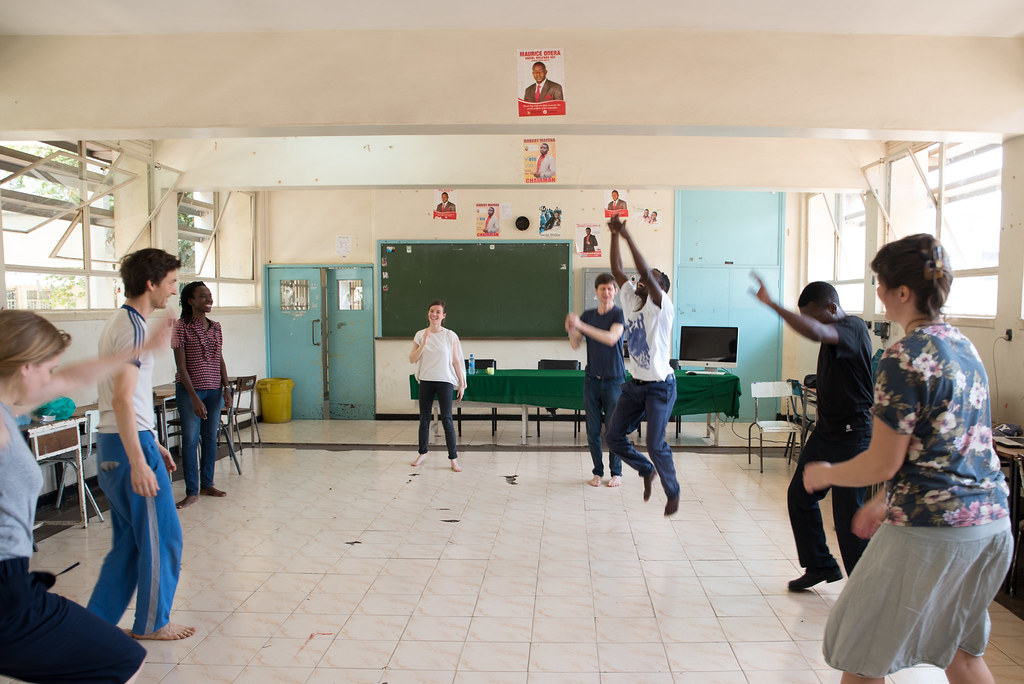
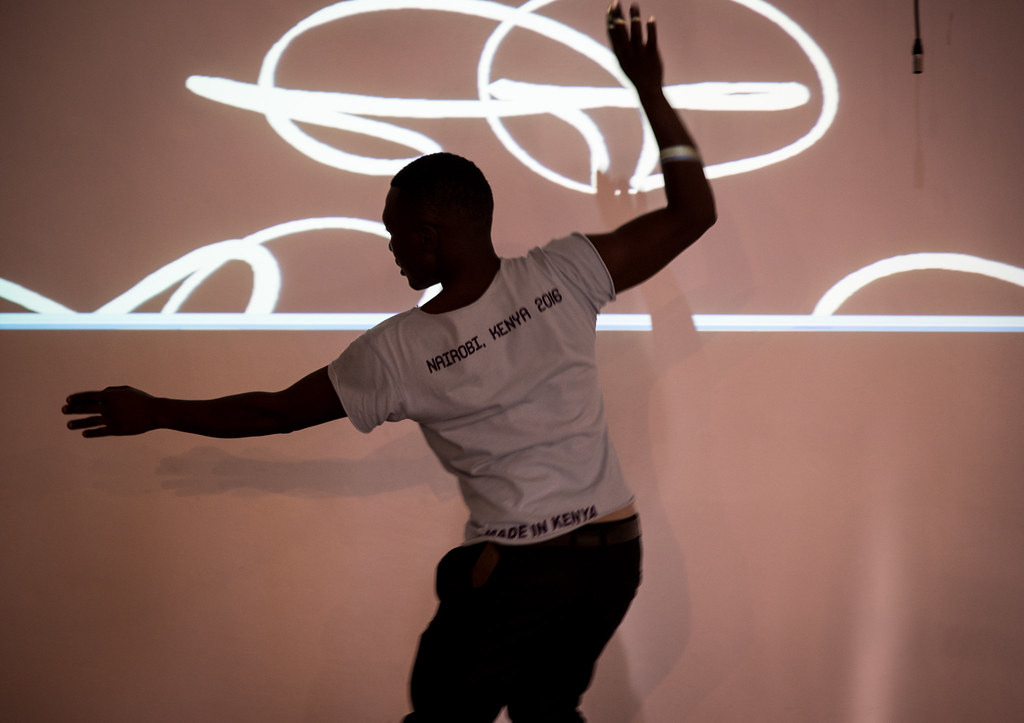
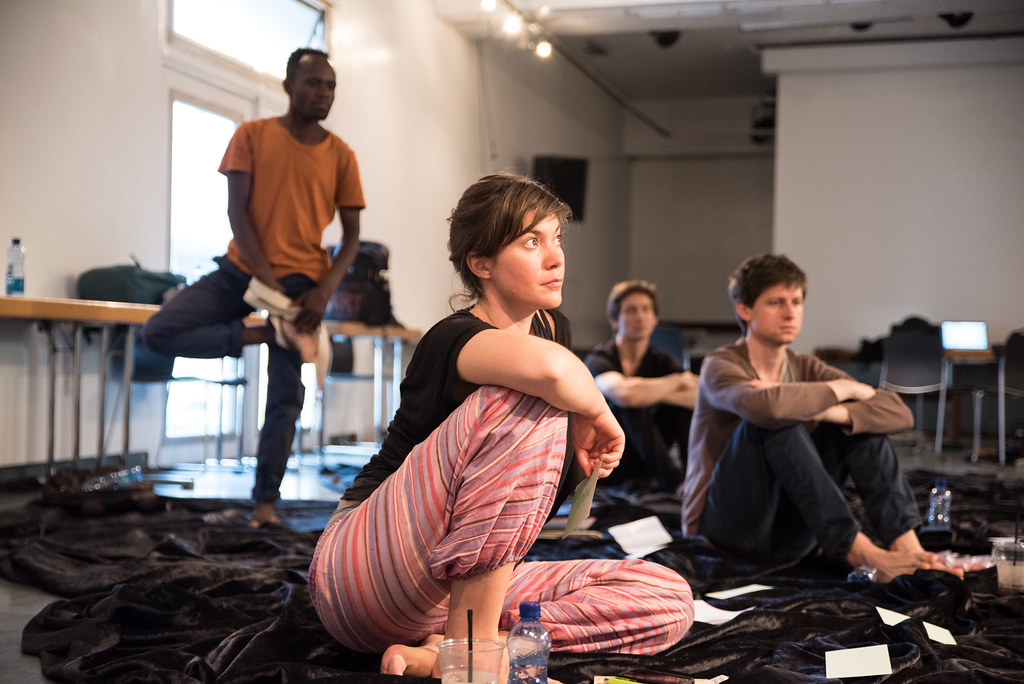
Invited to this international exchange project were Berlin-based designer and theoretician Amelie Hinrichsen, Alacoque Ntome, who entered the group with a perspective as a dancer as well as light technician, Awuor Onyango, who combines poetry, artistic research practice and digital means in conceptual projects of different shapes and means, Hamburg-based choreographer, music theatre and opera director Benjamin van Bebber, Frankfurt-based choreographer and performer Else Tunemyr, Leo Hofmann, who is a Swiss-German coder, composer and performer, Jared Onyango, who is a choreographer and dancer based in Nairobi and Melisa Allela, a Nairobian digital artist, designer and teacher for interactive Media at our partner the Technical University of Kenya.


Working at Technical University of Kenya, outside Nairobi…

… and at Goethe Institut Nairobi.

The interdisciplinary artistic team started its shared process in a two-week working phase in Nairobi in March 2017 and continued the collaboration in Frankfurt just before NODE17. The exchange of the artists, the discussion of the dispositive of hope and the reflection on the different circumstances of production were central for the project.

Out of that distinctive working process the artists have created a performative installation that was first showcased in Nairobi.

The final result was presented during NODE17 as part of the exhibition and was accompanied by a series of performances during the week.


anxiety anxiety (i tried to write a poem on hope but didn’t find a title)


Somewhere under the rainbow we sat down and analyzed its colors till it got dark. We thought, we sang and we danced, keeping up the spirit. We looked at screens for messages of hope, we looked beyond, we said our prayers. We loitered in the sun, waited for the rain and the winds of change to come. We climbed up a hill, we faced wilderness, and blinding light of love. We got used to it. We worked on, we read, we sang and we danced. We shared our thoughts and when we parted – nothing was finished. More is to come, more is to share and if we hold on to it……*CODE HOPE-SAFE STATION*…….Ground control……there’s trouble till the robins come….plz join as much u can…

CCL Nairobi / Frankfurt Artists, 2017


About the Artists


Project Partners


We have to express our thankfulness to Goethe Insitut Nairobi who made this exchange possible and to the Technical University of Kenya who supported us with providing funding, space, inspiring ideas and the right ground to continue a deepening relationship with the German and Kenyan digital arts scenes.


NODE Team


Jeanne Charlotte Vogt

Artistic Director, Board, Managing Director

Curator, Dramaturg

jeannevogt.de
 

Interview with the artists

“We are using a breath sensor, heart beat sensor, attention level sensor and a movement sensor, that drive the composition. We are playing with our real bio signals, revealing your inner feelings – you can’t hide anything.”


“Giving meaning to the data”

Complementary workshop on bodysensors

The workshop focused on incorporating bio-feedback data into complex real-time audio-visual systems for media performances.

Participants dived into the field of sensor signal analysis and strategies of how to make use of these technical nitty-gritties in an artistic way.

“How do you use this technology in performing arts to interact on the stage or to show invisible things?”


About the artists

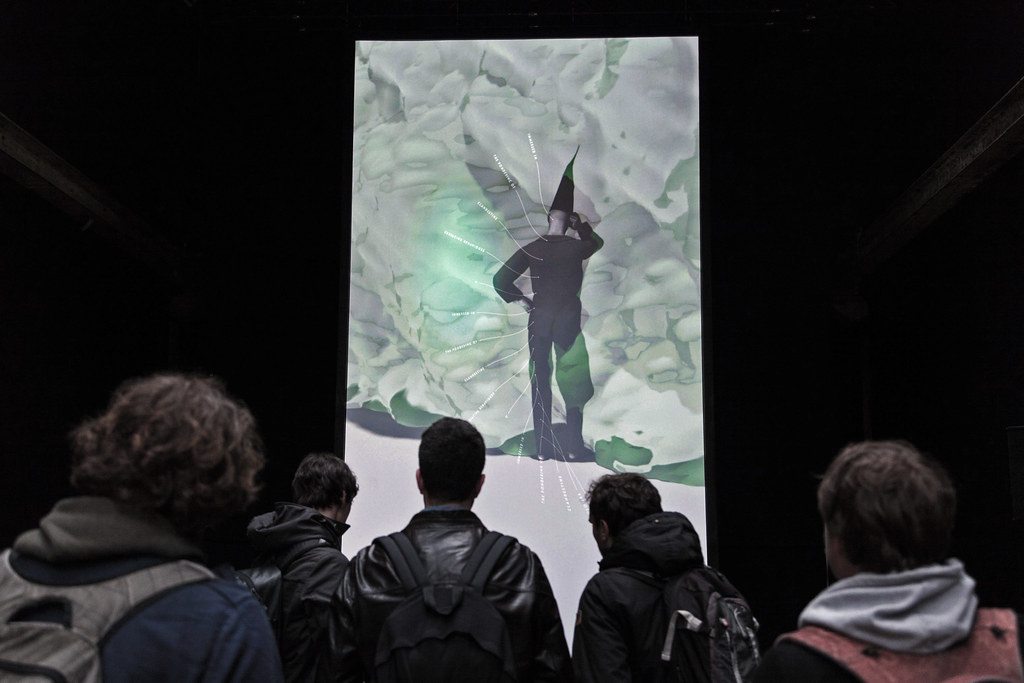
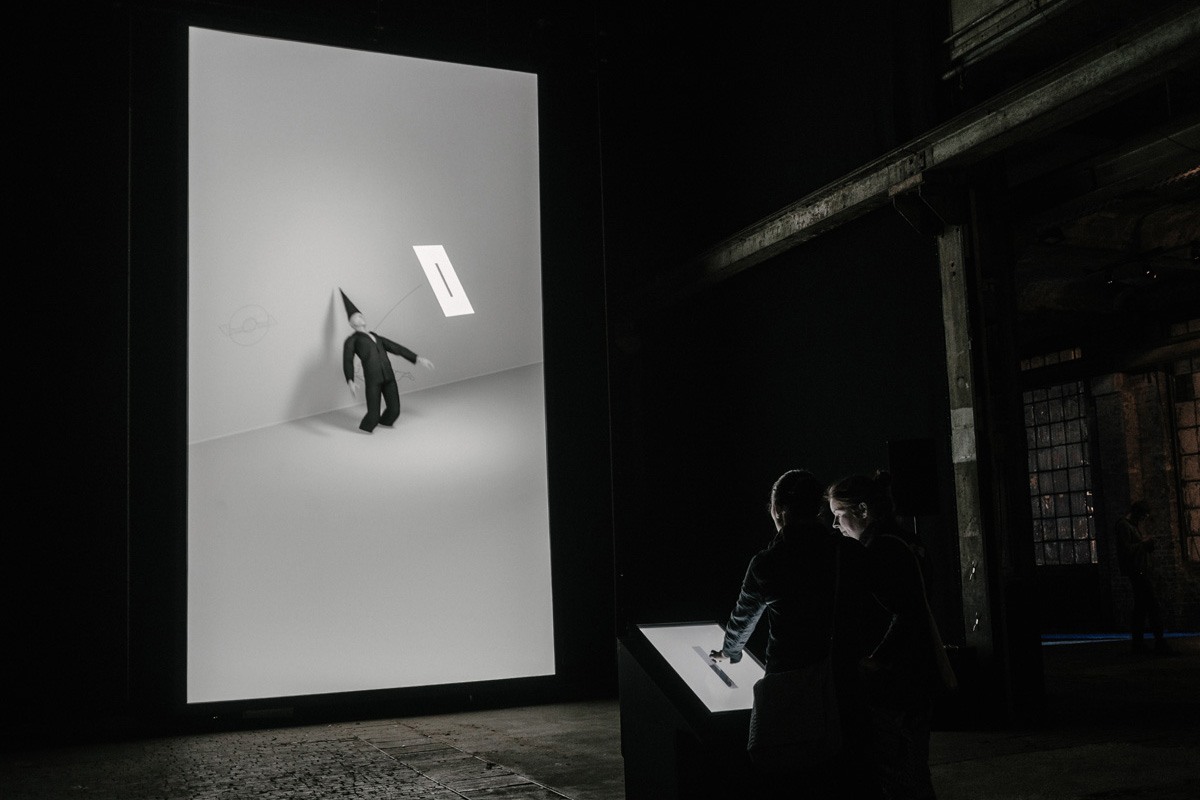
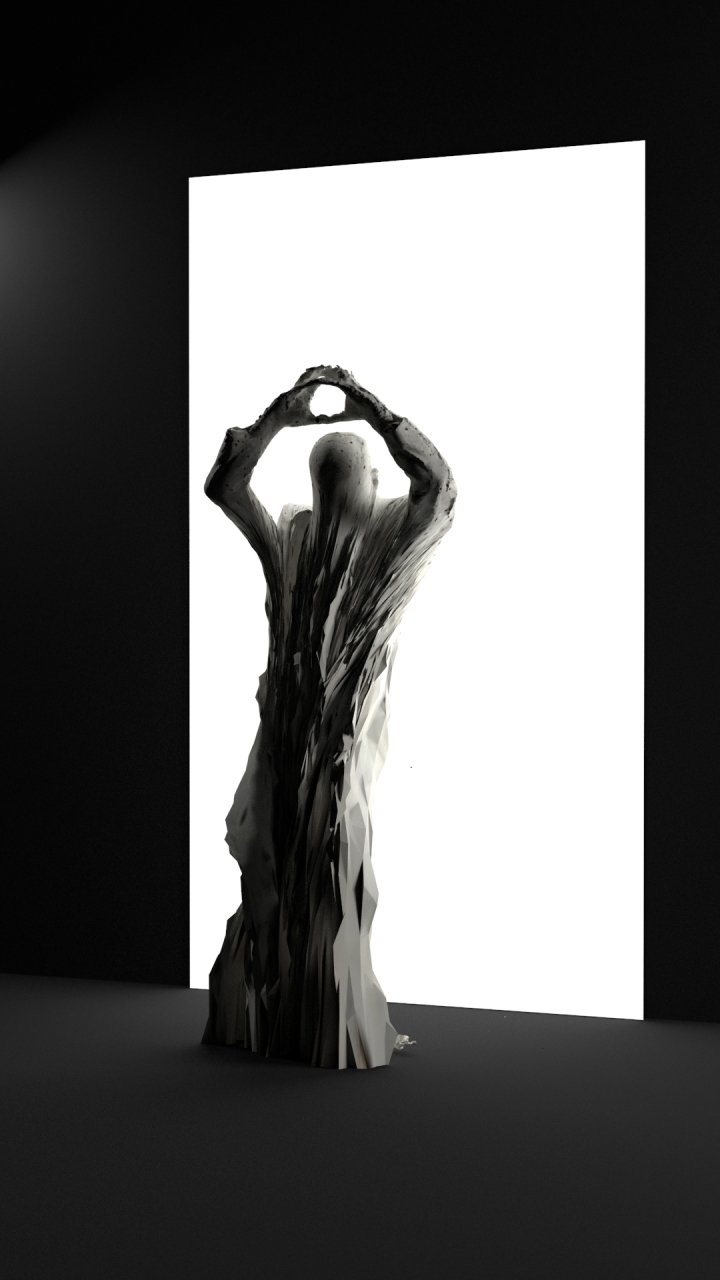
A touchscreen invites us to interact with the characters’ virtual world, situated on a vast screen at the rear side of the exhibition hall. However, this interface, with its symbolic buttons and bars, is more of a promise than a real tool. It turns out to be a permeable membrane uselessly meandering between the touchscreen and the world on the screen. It passes through the characters’ bodies, questioning the boundaries between ‘the virtual’ and ‘the real’.

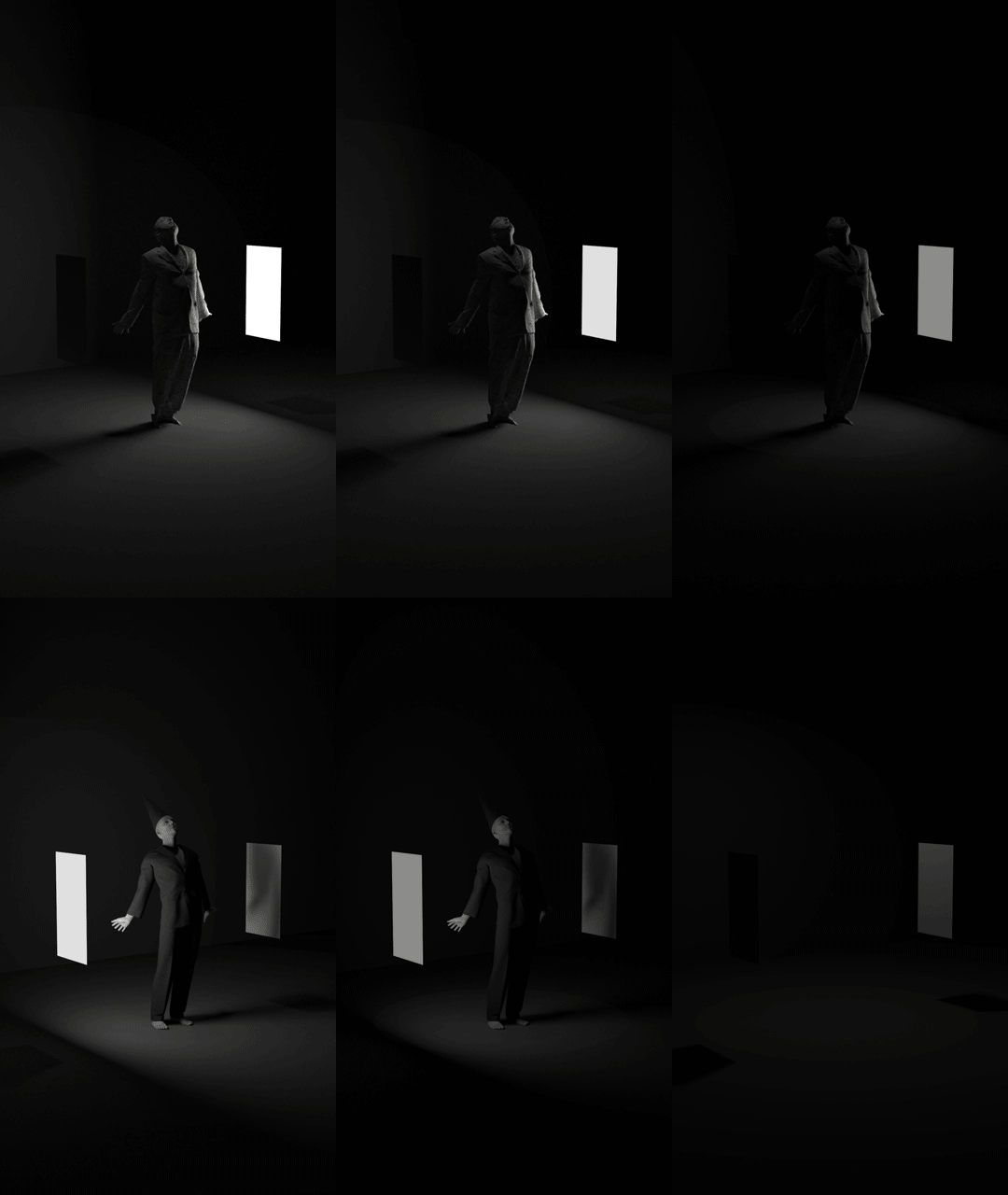
Similar to ourselves, Randolf enters a process of self-examination as an effect of being confronted with a golem-like clump of visualized data. We are allowed to listen to this reflection about his own body image and identity catalysed by the delimitation from his ‘real’ counterpart.

This work was commissioned by NODE and Native Instruments. Visit the project’s website by the artists.


Interview with the artists

“We work in a poetic tradition, our works are audio-visual poems.”

In their collaboration, Gregor Ladenhauf and Leonhard Lass regularly explore the interplay between word, sound and visual image. Their interactive installations dissolve the lines between the virtual and the non-virtual, fiction and what we call the real.


Aesthetics


Co-Commissioned with

Native Instruments logo


About the artists

While fast laser cut figures such as ‘Captives #B04’ materialize Quayola’s free renderings of the adapted motive, settings like eight channel video installation ‘Captives #1’ exhibit the infinite potential for virtual variations. An exciting tension arises from the juxtaposition of the virtual and the materialized translation of Quayola’s captives.

This friction seems to resonate with the very early modern notion of ‘disegno’, a concept combining both drawing and design, which is closely affiliated with Florentine artists like Michelangelo or Leonardo da Vinci, who were regarded as universalists and masters in paining, sculpture and architect alike. Disegno describes the process of an idea becoming form through drawing.


Interview with the artist

Quayola talks about this role as artist in the context of NODE15’s educational platform, where engineers and programmers – who supported him producing his artwork – hosted several workshops.

“It’s quite common for digital artists to end up working together with engineers and programmers. It becomes powerful when you manage to work in a such team.”


Software-based variations

Mathematical functions and processes describe computer-generated geological formations that evolve endlessly, morphing into classical figures.

Robotic sculpturing

Industrial computer-controlled robots sculpt the resulting geometries into life-size ‘unfinished’ sculptures.


In a conversation with NODE15 curators Jeanne Charlotte Vogt and Alexandra Waligorski, they investigated the corporeality of the instrumental. Which significance do instruments have for musicians themselves and the audience in times of the digital creation of sound? Do we still have to consider virtuosity as a category to evaluate the relationship between a musician and his/her instrument?


About the artists


Calibrating the virtual environment seen by Microsoft Kinect camera to the physical world; reducing noise from the sensor data; analysing and filtering point clouds to detect users and their interactions; – and rendering visuals based on these data.

Skeleton, gesture and hand tracking allows artists to experiment with countless possibilities of interactive concepts and visualizations on stages.

In addition, the approach of rapid prototying lowers the barriers of entry and simplifies the process within interdisciplinary collaborations.

Thanks to our partner Microsoft for the hardware sponsoring.

microsoft_logo


About the participants


Moderation

Hosted and moderated by one of MESO’s front men, Max Wolf, Patcher Kucha is always a guarantee for tech tunes and rock ’n’ roll.


About the artist


About the artist


About the artist


About the artist


About the artist


Among others the program comprised live performances by:

VA’ (sanchTV & Nushitzu, FR, GER), Melchior Productions (Cadenza, GER), Gaiser (minus/Detroit, USA), b-fi lm (BEL), Elektromeier (Switzerland), Desaxismundi (FR) U7Angel (GER)

DJ line up:

Alex Flitsch (Connaisseur Recordings, Frankfurt), Sylvie Marks (BPitch Control, HAL 9000, Frankfurt)


‘Similar Diversity’ is an information graphic based on the principles of generative design, which opens up a new perspective at the topics religion and faith by visualising the Holy Books of five world religions. Communalities and differences of Christianity, Islam, Hinduism, Buddhism and Judaism are shown in this data visualisation.

The visual’s basis is an objective text analysis of the Holy Scriptures and works without any interpretations from the creators’ side. Despite – or even because of this abstraction, the artworks are not only working on an informal, but also on an emotional level. The viewers should be inspired to think about own prejudices and current religious conflicts.

The installation was realised with Processing and vvvv.


Inspired by institutions such as CERN, Henze has always been fascinated by the beauty and simplicity of signatures as opposed to their invisible meaningfulness. Using these shapes to create an image that carries the symbolic reference of these signatures, yet dispensed from scientific interpretability at the same time, these drawings became a mere symbol for a very fundamental search. What is done at institutions like the CERN is the cutting edge of contemporary enlightenment – with all the debatable implications of this term.

The drawing is not to be understood as scientific evidence of this search, but rather an aestheticproof for our search for the absolute, for the fact that we want to know the rules that define the way our world works at its core.


‘Nodes in the Digital Art World’

Panel discussion with: Carolien Teunisse (Creative Coding Amsterdam), Filip Visnjic (Creative Applications Network, resonate), Manuel Rossner and Sabrina Verhage (Creative Coding Amsterdam), moderated by Rosi Grillmair.

Tehran’s emerging digital arts scene

Presentation and Panel discussion with: Ali Panahi (TADAEX Tehran), Amir Bastan (Artist, IRN), Florian Egermann (NODE) and Georg Scherlin (Artist, A), moderated by David Brüll (NODE).

‘Digital Art’ has been attracting a lot of attention from the art market, collectors and museums alike in the recent years. Will this sudden shift create new opportunities for artists working with code and those actively exploring and critiquing digital technologies to address a new and broader audience?

Ali Panahi, Tehran-based media artist and co-organizer of the Tehran Annual Digital Art Exhibition (TADAEX) introduced the vibrant Iranian media arts scene. He gave insights into the artist network materializing around three editions of TADAEX, the TADAGRANT prize and the NODE/TADAEX exchange program. Amir Bastan and Georg Scherlin shared their projects and experiences of eight weeks of collaboration in Tehran and Frankfurt.


As one of the main results of the Motion Bank project of The Forsythe Company, the Choreographic Coding Labs (CCLs) are offering unique opportunities of exchange and collaboration for digital media ‘code savvy’ artists who have an interest in translating aspects of choreography and dance into digital form and applying choreographic thinking to their own practice. During this panel results from the previous CCLs (Frankfurt, Berlin, Melbourne) were presented alongside a discussion of the distinctive long-term vision of the CCLs as a framework bringing together choreography, dance, computation and digital arts.


‘Strange Bodies’

Artist talk with Antoni Rayzhekov, Katharina Köller, Carolin Liebl and Nikolas Schmid-Pfähler.

‘Remote Control’

Artist talk with IOCOSE and Stefan Tiefengraber.


Behind the scenes

The workshop hosts explain the digital and analog workflow for creating interactive puppets – and participants show their lovely made ideas.


The hosts


Behind the scenes

The workshop hosts explain the digital and analog workflow for producing creative knitting patterns – and participants show their lovely made textiles.


The hosts


Other collaborators included Scott deLahunta, Senior Research Fellow, Coventry University/ R-Research Director of R-Research Wayne McGregor|Random Dance and Programme and Research Coordinator for Motion Bank, a new four-year project of The Forsythe Company providing a broad context for research into choreographic practice.

The goal was to trace physical intelligence and bring choreographic ideas and processes info newly productive exchanges exchanges with both general audiences and experts from other disciplines.


Hosted by

Watch the keynote
in full length


Part II:
Presenting the future of vvvv

Addressing all software developers and patching experts, part II of vvvv keynote at NODE15 presented the latest developements of ‘VL’.

VL is a general purpose visual programming language that combines dataflow with features known from object-oriented programming. It comes with a compiler that builds to the .net intermediate language and as such produces executables and libraries compatible to .net/mono.


About the moderator

Joreg

Developer

Berlin, Germany

vvvv.org

Joreg is co-founder of vvvv.org and visualprogramming.net and core-developer of vvvv where he is mostly concerned with UI, UX and library development. Besides he teaches, works for money under the label checksum5.com and is otherwise concerned with the integration of sound, image and computer code.

For NODE he co-curated the educational program for all previous NODE Forum for Digital Arts festival editions. The program was focusing on vvvv and vl workshops, bringing together users who want to share their expertise with those eager to learn.